
Sony a Little Afraid of Nintendo in Japan!?
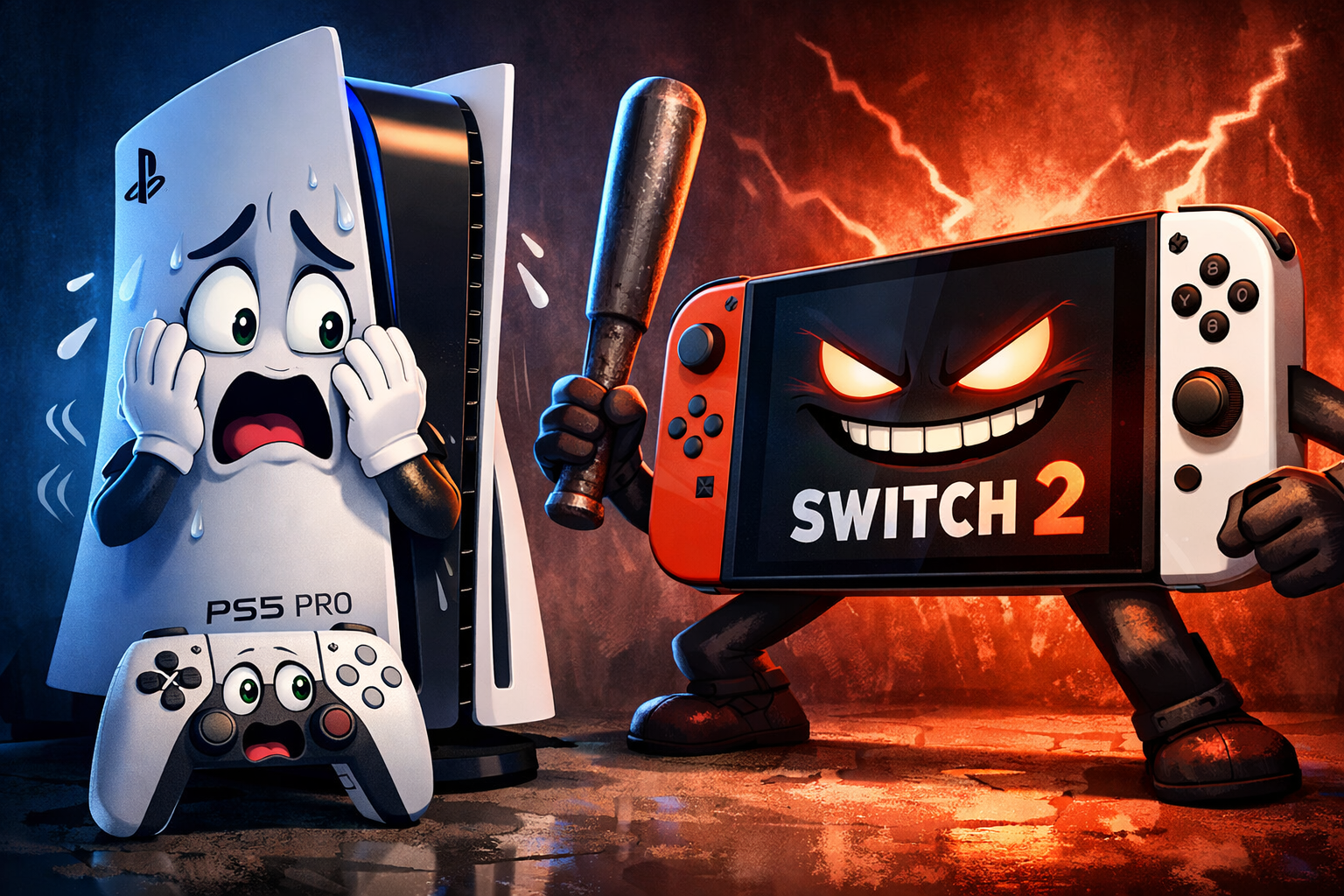
Sony is clearly reacting to Nintendo in Japan.
Back in November 2025, we got what felt like a very strategic, maybe even urgent, State of Play, hosted by Yuki Kaji. It ran over 40 minutes and focused heavily on Japanese and Asian developers, showcasing new trailers, remakes, and indie titles. Big reveals included Dragon Quest VII Remastered, Dynasty Warriors: Origins, and Fatal Frame II: Crimson Butterfly Remake.
There was just one problem.
Every single one of those titles is also coming to Switch 2.
The obvious goal of that State of Play was to position the PS5 as the preferred platform for these games. Sony wanted Japanese players to choose PlayStation 5 over Switch 2. But early results suggest that strategy may not be landing the way they hoped.
Take Dragon Quest VII Reimagined. The Switch 2 version debuted higher than the PS5 version, despite PS5 having an installed base roughly 3 million units larger in Japan. The following week, Yakuza: Kiwami 3 & Dark Ties launched higher on PS5 and PS4 than on Switch 2. So it’s not one-sided and depends on the franchise. But the bigger question will be legs. So we’ll see how both releases perform over time.
But the real question is: how did Sony get here?
PS5 hardware sales have been strong globally. On paper, the console isn’t failing. But from my perspective, and I don’t think I’m alone here, Sony has lost some of what made PlayStation so amazing for me in previous generations.
This PS5 era has leaned so heavily into live-service gaming. The focus on large-scale multiplayer titles, combined with a noticeable slowdown in single-player exclusives, just hasn’t been appealing to me personally. And I say that as someone who has historically owned or had access to every PlayStation console.
During the pandemic, Sony reorganized. It effectively dissolved Sony Japan Studio - which, for many longtime fans like myself, felt like a symbolic and creative blow - folding much of the talent into Team Asobi. The broader pivot leaned more heavily into Western-focused, AAA blockbuster titles and live-service strategies. The Bungie acquisition, similar in scale to Microsoft’s Activision purchase, was meant to strengthen that push but, like Microsoft and Activision, the returns don’t seem to have justified the investment so far.
Now we’re seeing Sony adjust in Japan.
In November 2025, Sony released a cheaper, Japan-exclusive, Japanese-language-only PS5 Digital Edition. This came after price hikes had made the standard PS5 less attractive domestically. According to Bloomberg, the move was designed to address declining domestic market share against Nintendo’s surging Switch 2.
That’s not coincidence. That’s response.
For years, there’s been a narrative put out (sometimes subtle, sometimes not) that Nintendo players eventually “graduate” to PlayStation. The idea being that Nintendo is for younger audiences, and PlayStation is the “mature” destination.
Now, to be fair, Shuhei Yoshida has publicly expressed respect for Nintendo. And it’s possible that the “graduation” framing has always been more about demographic lifecycle analysis than an insult toward Nintendo fans.
But if I’m being honest: I think higher up at Sony really feel this way.
And if that belief truly exists inside parts of Sony - that Nintendo players will inevitably migrate to PlayStation - then watching Switch 1 and Switch 2 outsell PS5 in Japan has to be jarring.
Because if Switch 1 players are graduating… they’re graduating to Switch 2.
What we’re seeing in Japan isn’t just a temporary sales fluctuation, it feels more like a structural shift to me. Developers are following install bases. Publishers are hedging with day-and-date Switch 2 releases. Sony is adjusting pricing strategies and leaning harder into Japanese showcases. None of that happens without pressure.
Nintendo doesn’t just have momentum right now; it has leverage. I think that leverage matters in Japan.
The next 12–18 months will tell us whether this is a cycle or a true turning point. But one thing is clear: Sony isn’t leading the conversation in Japan anymore. It’s responding to it.
And that alone says a lot.